The Real reasons projects fail – Finale. Blog 5

The Real reasons projects fail – Finale. Blog 5

All of the listed reasons in our previous blogs, for project failure are valid and can result in project failure, without a doubt.

However, we at Vincula believe that the real reason for project failure is very seldom, if ever, attributable to a single reason only. Many factors (failure train) play a role in project failure, and we believe it starts with an unrealistically limited budget paired with a lack of (sufficient) time allowed by the employer to have the project executed. This then results in a lack of time to draft a comprehensive scope of works.

Add to this a limited time for the bidders to review the RFQ, obtain prices and to submit a bid, and things are surely at risk.

Then, because of a constrained budget, limited time to award (and execute the project), the employer seldom wants to (or has the time to) properly negotiate their contract terms with the bidders.

By this time, the project work should have commenced already so the bidders programme duration is reduced in order to accommodate the employer’s, sometimes, unrealistic requirements.

The project is awarded to the least expensive bidder.

Now we have the perfect storm, and the failure train is complete. Limited budget – Unrealistic project duration expectations by employer – Unclear scope – Insufficient time to bid – Unrealistic programme – High risk contractual terms – ensured project failure.

Obviously the above is about the worst-case scenario, but when you have any combination of these stated factors, your project is definitively at risk of failure. The project manager and his team are now the only people who can rescue the project. The person in the arena has to save the day (and project).

The successful completion of a project is a shared obligation and both the employer as well as the contractor are accountable to the stakeholders for a successfully completed project. Team work and a single focussed objective is paramount. It must be added that both employers and contractors should know when to break off negotiations and step away from a potential project. Letting work go is difficult, but when a number of the red flags of the failure train are present and the parties cannot resolve them, you should take time to reassess the risks involved.

Let us know what your experiences are.
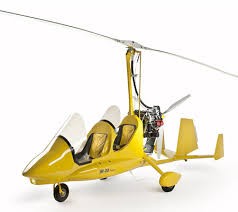
Flying – the joy of flying gyrocopters

Flying – the joy of flying gyrocopters

Flying a Gyrocopter, what a joy

Few aviation experiences are as pure and exhilarating as flying a gyrocopter. Also known as an autogyro, this unique aircraft sits somewhere between a helicopter and a fixed-wing plane, offering pilots a flying experience that feels both liberating and hands-on. Yet, like all forms of aviation, gyrocopter flying comes with its own set of challenges. Understanding both sides is key to appreciating why so many pilots fall in love with these remarkable machines.

Riding a motorcycle in the air

One of the most celebrated aspects of flying a gyrocopter is the sense of openness. Many gyrocopters have open or semi-open cockpits, providing near-panoramic views of the landscape below. Whether you’re flying along coastlines, over rolling countryside, or tracing rivers, the connection to the environment is immediate and immersive. The feeling cannot be described adequately and must be experienced to be understood. The same open cockpit that provides incredible views also exposes pilots to wind, cold, and noise. Flying in cooler climates or at higher altitudes often requires specialized clothing and equipment to remain comfortable.

 Mechanical Elegance

Gyrocopters are mechanically simpler than helicopters. The rotor is not powered in flight; instead, it autorotates as air flows upward through the blades. This simplicity often translates into lower maintenance costs and fewer mechanical complexities, which appeals to pilots who enjoy understanding and working closely with their aircraft.

 Short Take-off and Landing Capability

Gyrocopters can operate from surprisingly short runways and even rough airstrips, making them ideal for recreational flying in remote or rural areas. This versatility opens up destinations that might be inaccessible to traditional fixed-wing aircraft.

 Exceptional Low-Speed Handling

Unlike airplanes, gyrocopters can fly safely at very low airspeeds without the risk of stalling. This makes them excellent platforms for sightseeing, photography, and relaxed local flights where the journey matters more than speed.

Sense of Community

The Gyrocopter pilot’s community is tightly knit and welcoming. Fly-ins, local clubs, and online forums foster a shared passion for learning, safety, and adventure, making the social side of gyrocopter flying especially rewarding.


Weather Sensitivity

Gyrocopters are more affected by wind and turbulence than heavier aircraft. Strong gusts, crosswinds, or thermals can make flights uncomfortable or unsafe, requiring careful weather planning and conservative decision-making.


Limited Speed and Range

While gyrocopters excel at low-and-slow flying, they are not designed for long cross-country trips. Their cruising speed and fuel capacity are modest, which can limit travel efficiency compared to traditional airplanes. I must however note that I flew my Magni 22 from Pretoria to Cape Town and Pretoria to Inhaca island, Mozambique. Careful planning was needed but it can be done.


Training and Skill Requirements

Despite their simplicity, gyrocopters demand proper training. Rotor management, take-off technique, and energy awareness are critical skills that differ from both airplanes and helicopters. Quality instruction is essential, and in some regions, instructors and training facilities can be limited.


Flying a gyrocopter is not about speed, luxury, or convenience—it’s about connection. It’s about feeling the air, reading the landscape, and enjoying aviation in its most visceral form. For pilots who value simplicity, adventure, and a hands-on flying experience, the joys often far outweigh the challenges.


The author owned and piloted a Magni 16 and later a Magni 22

error: Content is protected !!