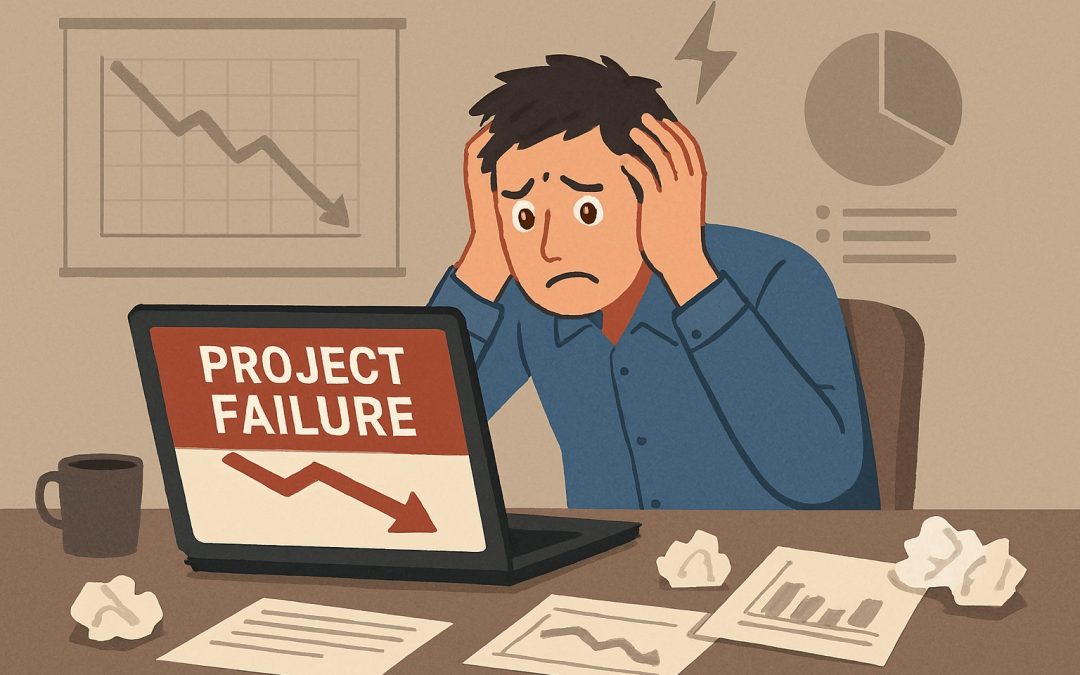
The Real reasons projects fail – Finale. Blog 5
All of the listed reasons in our previous blogs, for project failure are valid and can result in project failure, without a doubt.
However, we at Vincula believe that the real reason for project failure is very seldom, if ever, attributable to a single reason only. Many factors (failure train) play a role in project failure, and we believe it starts with an unrealistically limited budget paired with a lack of (sufficient) time allowed by the employer to have the project executed. This then results in a lack of time to draft a comprehensive scope of works.
Add to this a limited time for the bidders to review the RFQ, obtain prices and to submit a bid, and things are surely at risk.
Then, because of a constrained budget, limited time to award (and execute the project), the employer seldom wants to (or has the time to) properly negotiate their contract terms with the bidders.
By this time, the project work should have commenced already so the bidders programme duration is reduced in order to accommodate the employer’s, sometimes, unrealistic requirements.
The project is awarded to the least expensive bidder.

Now we have the perfect storm, and the failure train is complete. Limited budget – Unrealistic project duration expectations by employer – Unclear scope – Insufficient time to bid – Unrealistic programme – High risk contractual terms – ensured project failure.
Obviously the above is about the worst-case scenario, but when you have any combination of these stated factors, your project is definitively at risk of failure. The project manager and his team are now the only people who can rescue the project. The person in the arena has to save the day (and project).
The successful completion of a project is a shared obligation and both the employer as well as the contractor are accountable to the stakeholders for a successfully completed project. Team work and a single focussed objective is paramount. It must be added that both employers and contractors should know when to break off negotiations and step away from a potential project. Letting work go is difficult, but when a number of the red flags of the failure train are present and the parties cannot resolve them, you should take time to reassess the risks involved.
Let us know what your experiences are.