
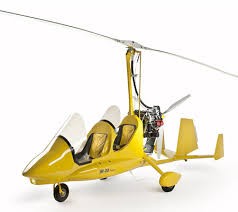
Flying – the joy of flying gyrocopters
Flying a Gyrocopter, what a joy
Few aviation experiences are as pure and exhilarating as flying a gyrocopter. Also known as an autogyro, this unique aircraft sits somewhere between a helicopter and a fixed-wing plane, offering pilots a flying experience that feels both liberating and hands-on. Yet, like all forms of aviation, gyrocopter flying comes with its own set of challenges. Understanding both sides is key to appreciating why so many pilots fall in love with these remarkable machines.
Riding a motorcycle in the air
One of the most celebrated aspects of flying a gyrocopter is the sense of openness. Many gyrocopters have open or semi-open cockpits, providing near-panoramic views of the landscape below. Whether you’re flying along coastlines, over rolling countryside, or tracing rivers, the connection to the environment is immediate and immersive. The feeling cannot be described adequately and must be experienced to be understood. The same open cockpit that provides incredible views also exposes pilots to wind, cold, and noise. Flying in cooler climates or at higher altitudes often requires specialized clothing and equipment to remain comfortable.
Mechanical Elegance
Gyrocopters are mechanically simpler than helicopters. The rotor is not powered in flight; instead, it autorotates as air flows upward through the blades. This simplicity often translates into lower maintenance costs and fewer mechanical complexities, which appeals to pilots who enjoy understanding and working closely with their aircraft.
Short Take-off and Landing Capability
Gyrocopters can operate from surprisingly short runways and even rough airstrips, making them ideal for recreational flying in remote or rural areas. This versatility opens up destinations that might be inaccessible to traditional fixed-wing aircraft.
Exceptional Low-Speed Handling
Unlike airplanes, gyrocopters can fly safely at very low airspeeds without the risk of stalling. This makes them excellent platforms for sightseeing, photography, and relaxed local flights where the journey matters more than speed.


Sense of Community
The Gyrocopter pilot’s community is tightly knit and welcoming. Fly-ins, local clubs, and online forums foster a shared passion for learning, safety, and adventure, making the social side of gyrocopter flying especially rewarding.
Weather Sensitivity
Gyrocopters are more affected by wind and turbulence than heavier aircraft. Strong gusts, crosswinds, or thermals can make flights uncomfortable or unsafe, requiring careful weather planning and conservative decision-making.
Limited Speed and Range
While gyrocopters excel at low-and-slow flying, they are not designed for long cross-country trips. Their cruising speed and fuel capacity are modest, which can limit travel efficiency compared to traditional airplanes. I must however note that I flew my Magni 22 from Pretoria to Cape Town and Pretoria to Inhaca island, Mozambique. Careful planning was needed but it can be done.
Training and Skill Requirements
Despite their simplicity, gyrocopters demand proper training. Rotor management, take-off technique, and energy awareness are critical skills that differ from both airplanes and helicopters. Quality instruction is essential, and in some regions, instructors and training facilities can be limited.
Flying a gyrocopter is not about speed, luxury, or convenience—it’s about connection. It’s about feeling the air, reading the landscape, and enjoying aviation in its most visceral form. For pilots who value simplicity, adventure, and a hands-on flying experience, the joys often far outweigh the challenges.
The author owned and piloted a Magni 16 and later a Magni 22


